Sustainable Packaging
In our exploration of sustainable packaging, we always focus on the balance between packaging performance and environmental impact. By optimizing material selection, structural design, and production solutions, we are committed to creating more eco-friendly and efficient packaging solutions. While meeting product protection, transportation, and usage needs, we help customers reduce resource waste and drive the industry toward sustainability.
Why Use Sustainable Packaging
Packaging protects food, extends freshness, and reduces transportation loss, but also leaves a long-term impact after fulfilling its mission. As a flexible packaging manufacturer, we understand that our responsibility goes beyond making a reliable packaging pouch; it lies in seriously addressing every material choice, every production process, and the final destination of the packaging after use.
From reducing unnecessary material use to exploring recyclable, bio-based, and compostable solutions; from sorting production scrap film and treating printing emissions to product safety, employee health, and standardized production, we are implementing environmental and social responsibility into every stage of packaging manufacturing.
We do not believe that any single material can solve all problems. A truly responsible choice is to find a more reasonable, clearer, and verifiable lifecycle path for each package based on product protection requirements, sales markets, and local processing conditions.
“Cherish nature, for we belong to nature and depend on it.”
– David Attenborough
From a Single Choice to a Complete Lifecycle
We approach the task from four directions – reduction, circularity, renewable sources, and proper end-of-life – to reduce the long-term environmental impact of packaging while protecting the product.
Reduce Unnecessary Material
While meeting barrier, strength, and shelf-life requirements, we reduce material use through structure thinning and size optimization.
Reduce Dependence on Fossil Resources
We evaluate plant-based and bio-based materials according to product requirements, reducing the use of fossil raw materials while maintaining packaging performance.
Establish Material Circular Pathways
We prioritize evaluating recyclable-design structures such as Mono PE and Mono PP, and explore the application of recycled materials.

Match Appropriate End-of-Life Pathways
Based on the packaging structure and local processing conditions, we evaluate recycling, regeneration, or composting solutions under specific conditions.
Recyclable Material Packaging
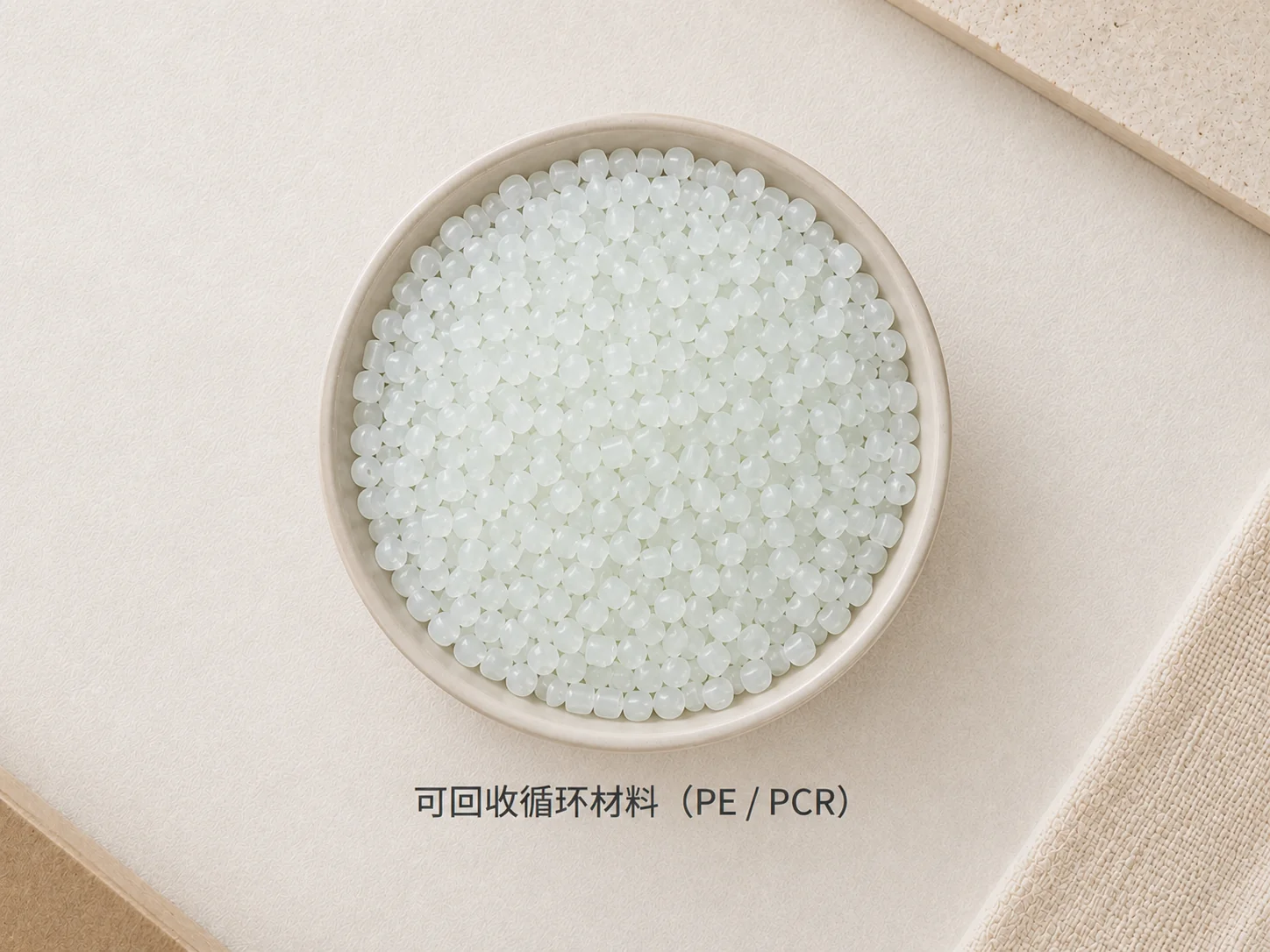
By reducing incompatible material combinations, we prioritize evaluating single-material structures such as Mono-PE, MDO-PE/PE, and Mono-PP, establishing a clearer recycling path for packaging while meeting barrier, sealing, and transportation requirements.
We can also provide PCR recycled material solutions based on product application to reduce the use of virgin plastic. Actual recyclability, PCR content, and food-contact suitability must be confirmed in combination with the complete packaging structure, target market regulations, and local recycling conditions.
Bio-Based Materials
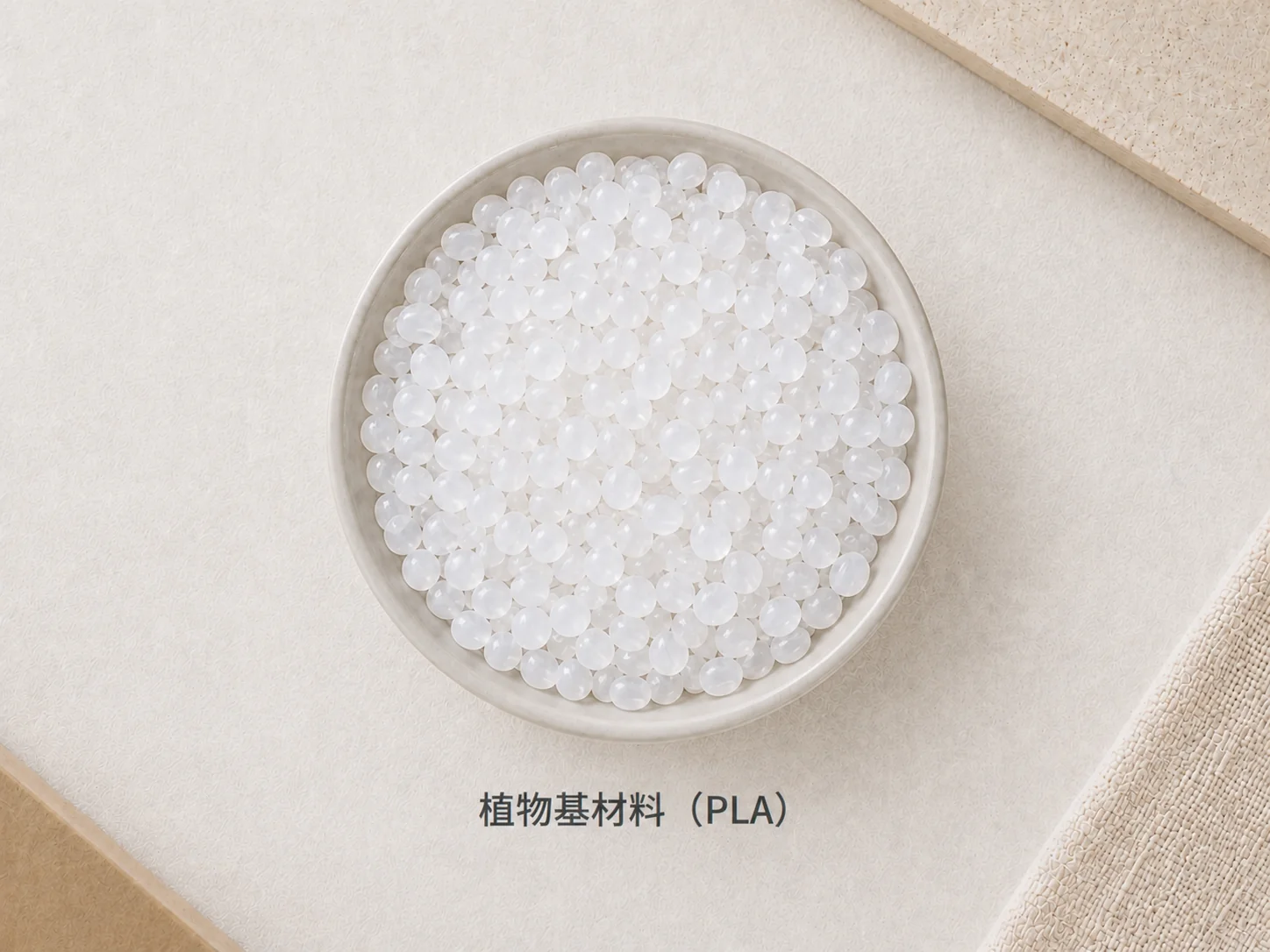
Bio-based packaging replaces part of the fossil-based raw materials with plant or other renewable resources, helping brands reduce dependence on virgin petroleum resources while maintaining the barrier, sealing, printing, and pouch-making performance of flexible packaging.
It can be applied to food, coffee, nuts, pet food, and daily-chemical packaging. Bio-based describes the material source and does not mean the packaging will automatically degrade; the specific bio-based content should be based on material declarations or test results.
Compostable Materials
For products suited to organic waste processing systems, we provide material solutions that, under specified composting conditions, can be converted by microorganisms into water, carbon dioxide, and biomass.
It can be used for tea, coffee, and some food packaging. Industrial and home composting conditions differ; whether inks, adhesives, zippers, and valves are suitable should be based on the actual certified scope of the material or complete packaging.
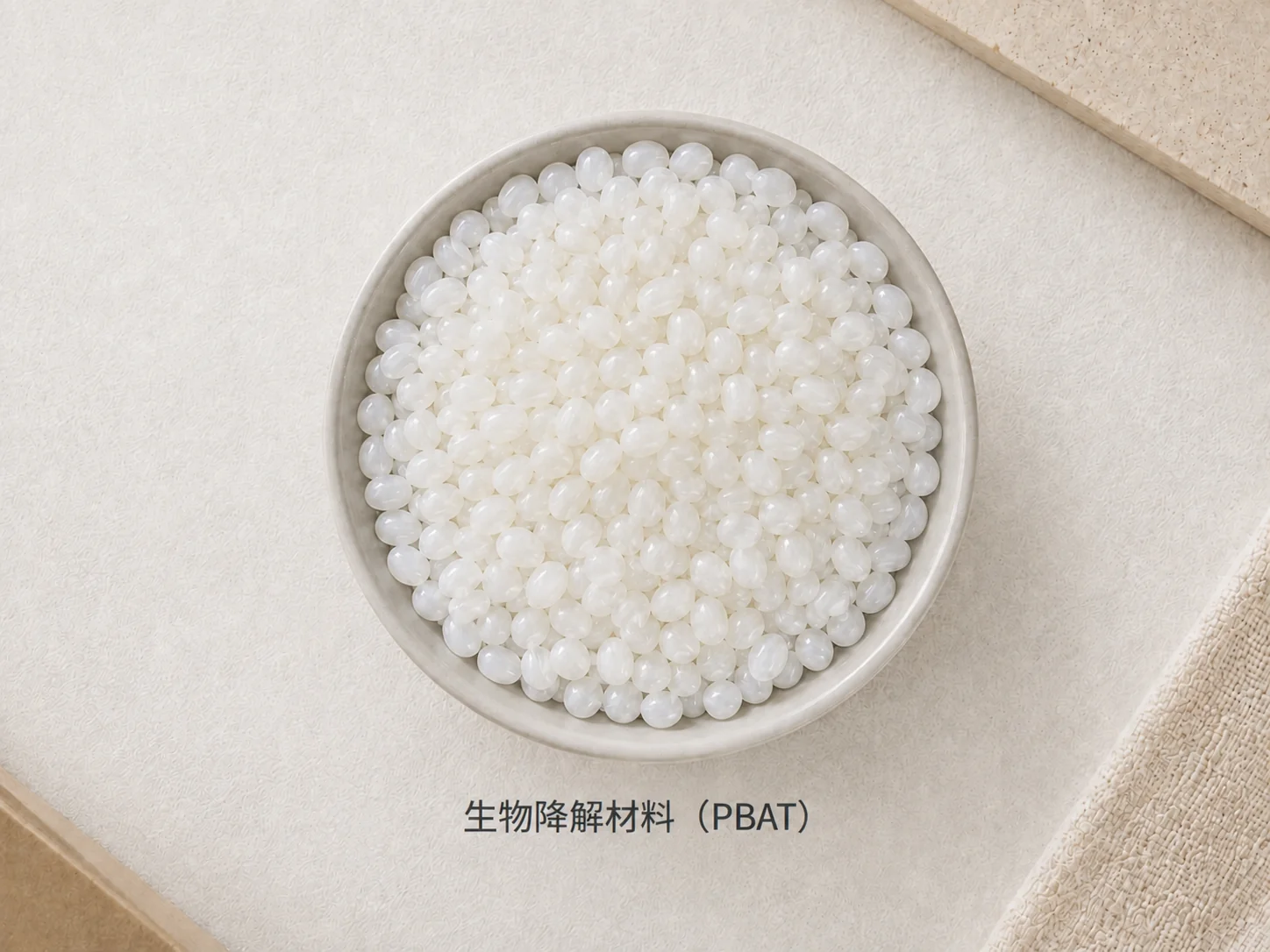
We provide diverse green raw-material solutions including PE/PCR recyclable materials, PLA plant-based materials, and PBAT biodegradable materials. Through resource circularity, plant regeneration, and biodegradation technology, combined with scientific flexible packaging structure design, we advance packaging toward a more eco-friendly and circular direction while meeting product protection needs.
Sustainable Packaging Cases
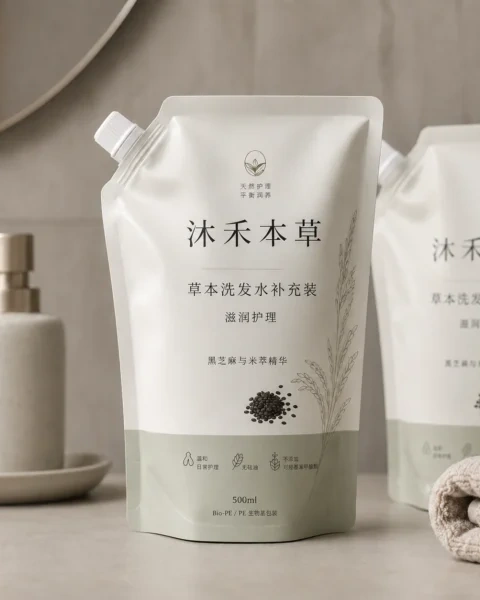
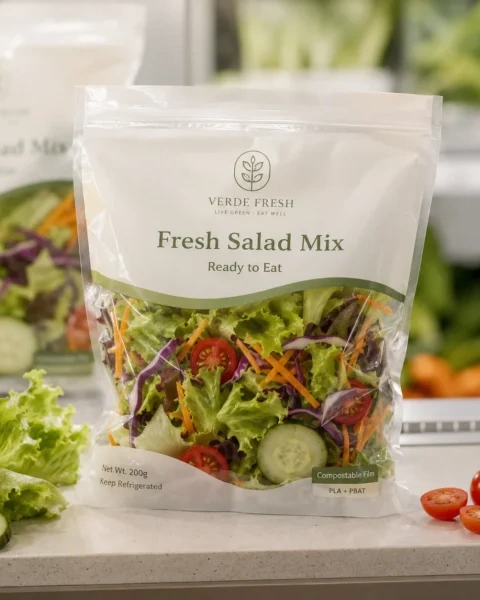
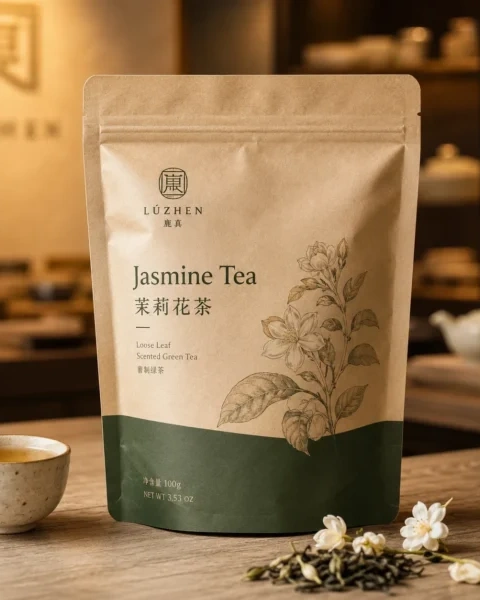
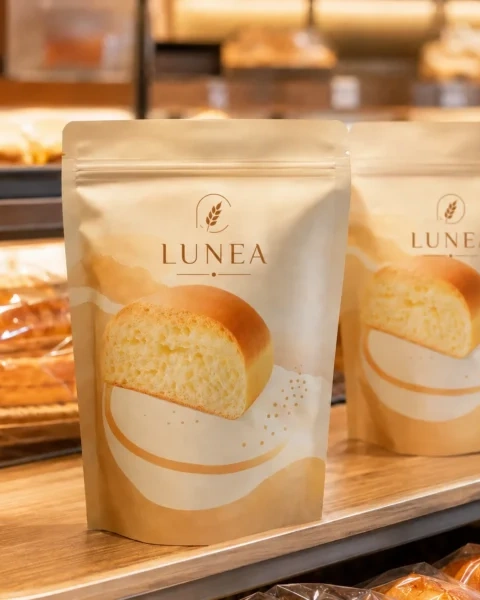
Sustainable packaging does not mean changing how the product is presented. Through new material structures and eco-friendly material applications, packaging can still maintain the same appearance, texture, print effect, and functional performance as traditional packaging while reducing its long-term environmental impact.