





Digital printing packaging removes plate-making and lowers MOQs, letting brands test and iterate packaging in small batches. This guide covers its cost, advantages, and best-fit...
EFSA EU food-grade certification and FDA certification differ in regulatory basis, assessment body, and testing. This guide compares the two systems to help exporters plan compliant food...
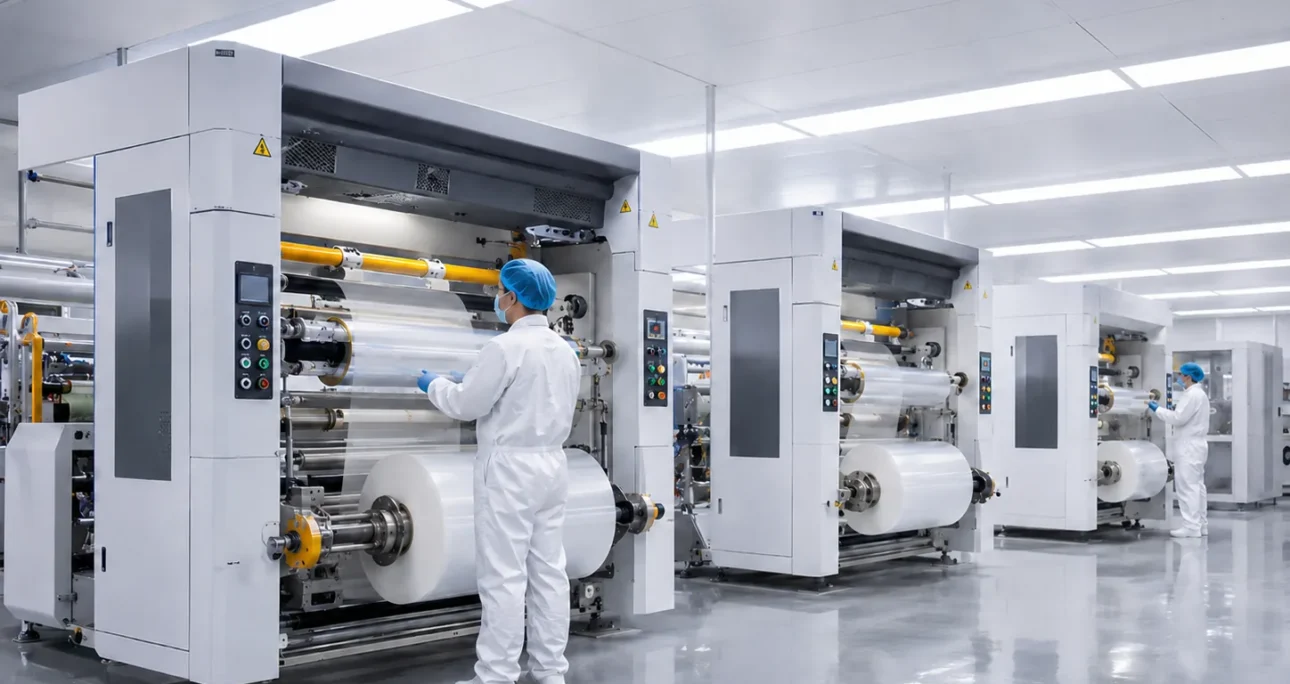
How to Assess a Packaging Factory’s Quality Level: A Factory Audit Checklist
Assessing a packaging factory's quality level takes more than samples. This five-stop factory audit checklist covers qualifications, workshop, equipment, system, and on-site...
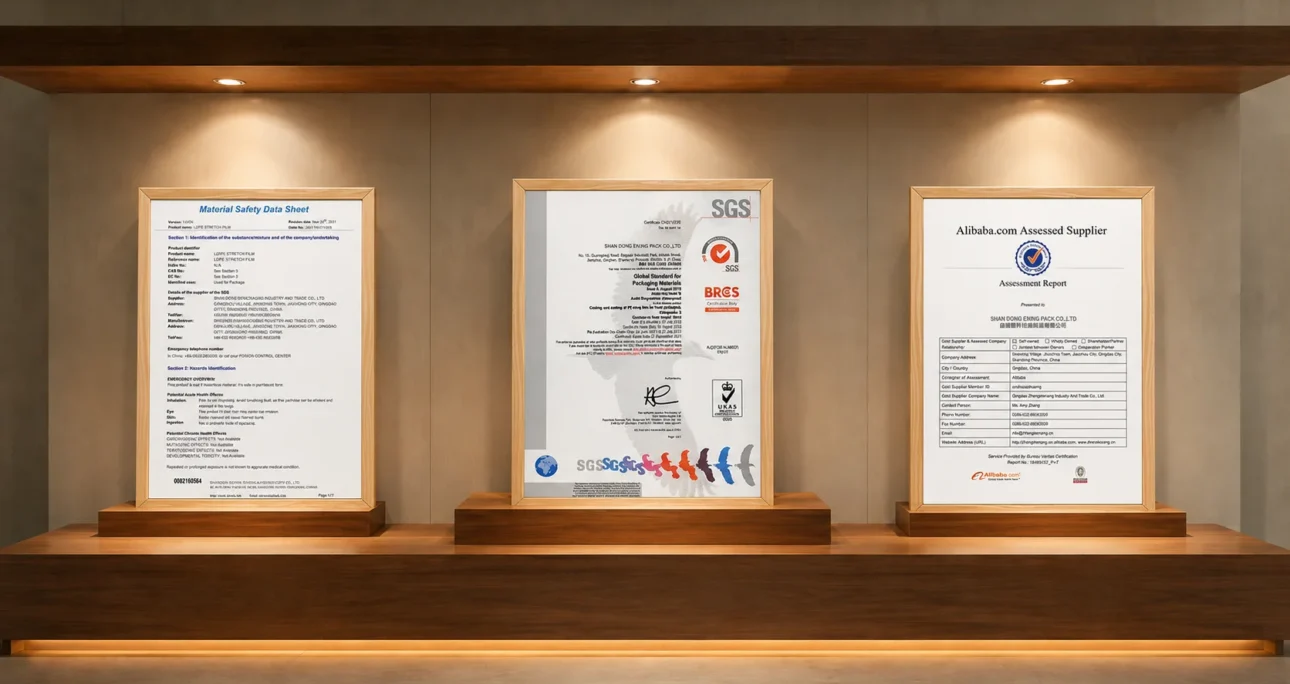
BRC Packaging Certification Explained: Why Major Brands Require It
BRC packaging certification is the entry ticket major brands require from packaging suppliers. This guide explains what BRC audits examine, grades, process, cost, and...
Why do packaging bag quotes vary so much between manufacturers? The gap comes from material, printing process, MOQ, lead time, and service—learn how to compare quotes p...
Light-blocking packaging bags protect food from UV damage—lipid oxidation, nutrient loss, pigment fading. Learn which products need them and how to choose the right barrier s...
Composite packaging process explained: why single films fall short, what each layer (PET/AL/PE) does, and the three mainstream lamination methods—dry, solventless, and e...
How to save on packaging printing without hurting quality? This guide shares five practical methods: batch consolidation, color control, layout optimization, ink selection, and less trial-print...
What do carbon footprint labels mean for the packaging industry? This guide explains how they are calculated, why they are entering packaging, the challenges they bring, and a three-step plan for...
GB 9685 is China’s mandatory national standard governing additive use in food-contact materials. This guide explains its three core principles, a four-step factory compliance path, and how buyers can...


