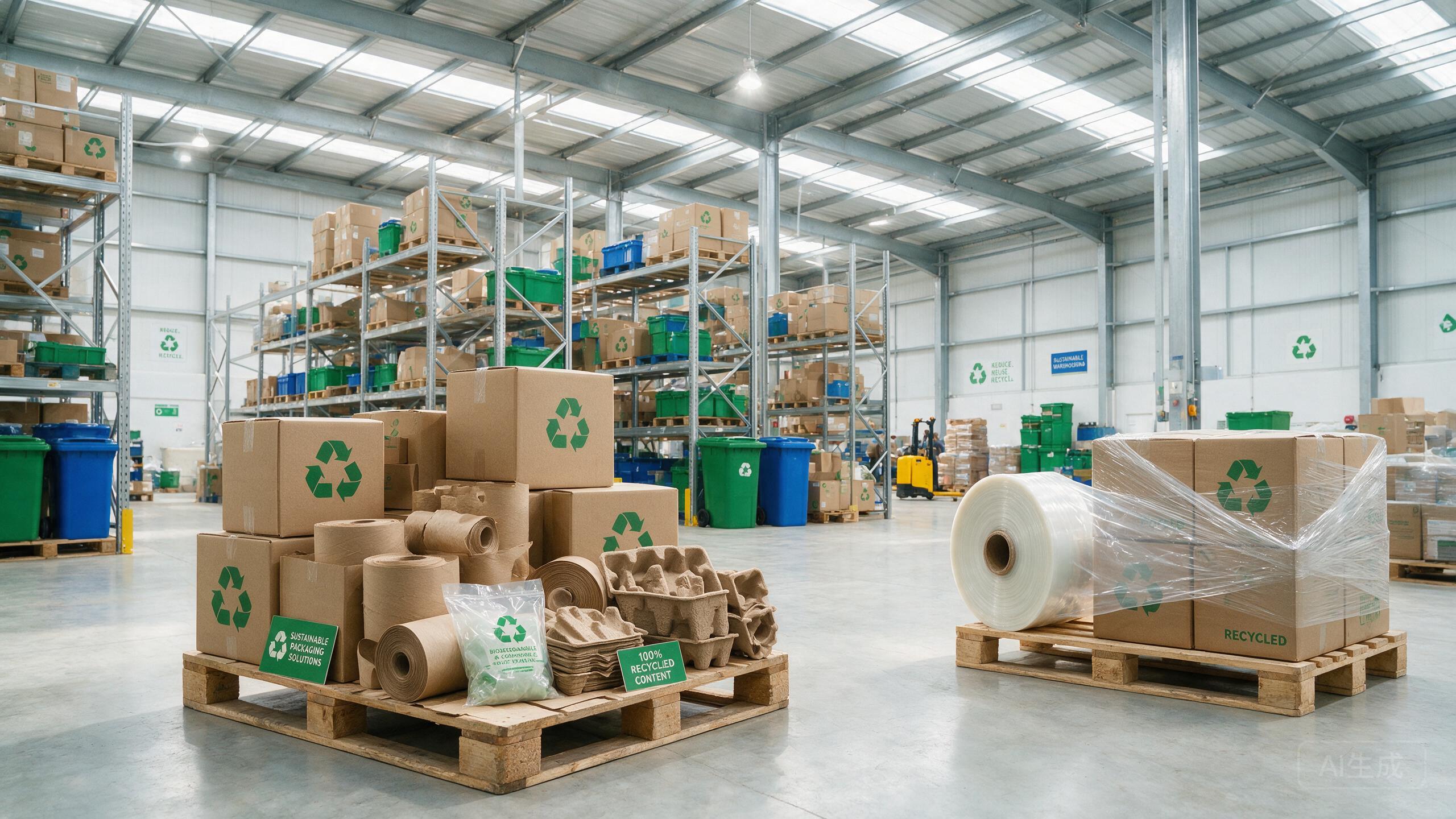
2026: The Packaging Industry Enters a Period of Intensive Regulation
Since 2026, multiple authorities—including the State Administration for Market Regulation and the Ministry of Ecology and Environment—have issued a series of policies, regulations, and industry standards related to plastic packaging. From another upgrade of plastic restrictions to the implementation of new national standards for food-contact materials, these changes will profoundly affect the daily operations of every packaging-using enterprise. This article reviews the most important policy moves of the first half of 2026, continuing the policy tracking of our 2025 Plastic Packaging Regulatory Developments, to help enterprises prepare for compliance in advance.
Plastic Restrictions Upgraded Again: Which Categories Are Now Regulated?
According to a supplementary notice of the “Opinions on Further Strengthening the Prevention and Control of Plastic Pollution” issued in March 2026, the following plastic packaging categories have been brought under the new control scope:
- Single-use plastic tableware: Non-degradable single-use plastic tableware is banned in dine-in food service; the scope expands from prefecture-level cities to county seats
- Express plastic packaging: By the end of 2026, express outlets nationwide must stop using non-degradable plastic bags, plastic tape, and single-use plastic woven bags
- Hotel plastic minis: The hotel industry may not proactively provide single-use plastic toiletry items; small-capacity plastic bottles become a key control target
- Roll bags and cling film: Supermarket roll bags must use biodegradable materials; food cling film must label material and recycling classification
For food packaging enterprises, the most direct impact is significantly increased compliance pressure on express outer packaging and fresh-food delivery packaging. Adopting biodegradable materials or mono-material recyclable structures has become an inevitable, policy-driven trend.
GB 4806 Series Food-Contact Material Standards Implemented
In the first half of 2026, the National Health Commission released the new GB 4806 series standards, imposing stricter requirements on migration limits, additive use, and label identification for plastic food-contact materials and products:
- Tighter total migration limit: For some plastic materials, the total migration limit drops from 10 mg/dm² to 6 mg/dm²
- New restricted-substance list: More detailed rules on migration of auxiliaries such as photoinitiators, antioxidants, and plasticizers
- Mandatory labeling: Plastic food-contact packaging must indicate material type, temperature range, and microwave suitability
This means food packaging enterprises must re-review their existing raw-material supply chains to ensure suppliers’ films, inks, adhesives, and other auxiliaries meet the latest standards. At the same time, label information on finished packaging must be updated accordingly.
Green Transformation of Express Packaging Accelerates
Data from the State Post Bureau shows that in 2025, China’s express parcel volume exceeded 180 billion pieces, with corresponding plastic packaging waste exceeding 2 million tonnes. The “Green Transformation Plan for Express Packaging” implemented in 2026 sets the following timeline:
- End of 2026: Share of e-commerce parcels without secondary packaging reaches above 90%
- 2027: Scale of reusable express packaging reaches 15 million units
- 2028: Industry-wide plastic packaging waste recycling rate reaches 70%
For e-commerce and food enterprises, this means preparing on two fronts: first, switch express outer packaging to degradable or recyclable materials; second, consider reducing secondary-packaging needs in product packaging design.
Recommended Corporate Response Strategies
Facing intensive policy changes, enterprises are advised to respond on four fronts:
- Material review: Against the latest GB 4806 standard, re-audit the compliance of existing packaging materials, focusing on migration limits and restricted substances
- Alternative readiness: Test biodegradable materials such as PLA and PBAT, or mono-material recyclable structures, in advance to avoid being caught off guard when policies take effect
- Supplier management: Require packaging suppliers to provide the latest third-party test reports confirming compliance with the new standards
- Label updates: Promptly update material identification, recycling classification, and usage instructions on product packaging per the new rules
Compliance Starts with Understanding
The packaging industry’s policies and regulations are entering a period of rapid updates. For packaging-using enterprises, keeping up with policy trends and planning compliance early not only avoids penalty risks but also captures the brand-value uplift brought by the green-packaging transition.
Need professional packaging compliance consulting or customized packaging solutions that meet the new national standards? Welcome to contact HASUPACK or visit the OMOPACK website; we provide one-stop service from material selection to finished production.