Interpreting the 15th Five-Year Plan for the Packaging Industry: Green Transition and Smart Manufacturing (2026–2030)
The 15th Five-Year Plan for the packaging industry was officially issued by the General Office of the State Council in early 2026. As a guiding document for the development of the packaging industry from 2026 to 2030, this plan sets new development requirements for the packaging industry against the backdrop of the “dual-carbon” goals and the restructuring of global supply chains.
According to estimates by the China Packaging Federation, China’s total packaging industry output value exceeded CNY 1.5 trillion in 2025, yet the “large but not strong” problem remains prominent: import dependence for high-end packaging materials reached 35%, market penetration of biodegradable packaging was below 18%, and the digitalization rate of small and medium enterprises was below 25%. The 15th Five-Year Plan for the packaging industry addresses these pain points with systematic solutions.
Core Goals of the 15th Five-Year Plan for the Packaging Industry
Green and Low-Carbon: Policy Upgrade from “Plastic Restriction” to “Plastic Substitution”
For the first time, the plan lists “green transformation of packaging” as a binding indicator, with specific targets including:
| Indicator | 2025 baseline | 2030 target | Annual improvement |
|——|————-|————-|———-|
| Biodegradable packaging market penetration | 18% | ≥50% | +6.4% |
| Packaging material recycling rate | 32% | ≥60% | +5.6% |
| Packaging industry carbon intensity | Baseline 100 | ↓≥28% | −5.6%/yr |
| Mono-material packaging share | 22% | ≥55% | +6.6% |
> Policy signal: The plan clearly states that “from 2028, the share of biodegradable materials in e-commerce parcel packaging shall not be less than 40%”—which will directly affect the product structure adjustment of plastic packaging enterprises.
Corporate response: From material substitution to full-lifecycle design (15th Five-Year Plan requirement)
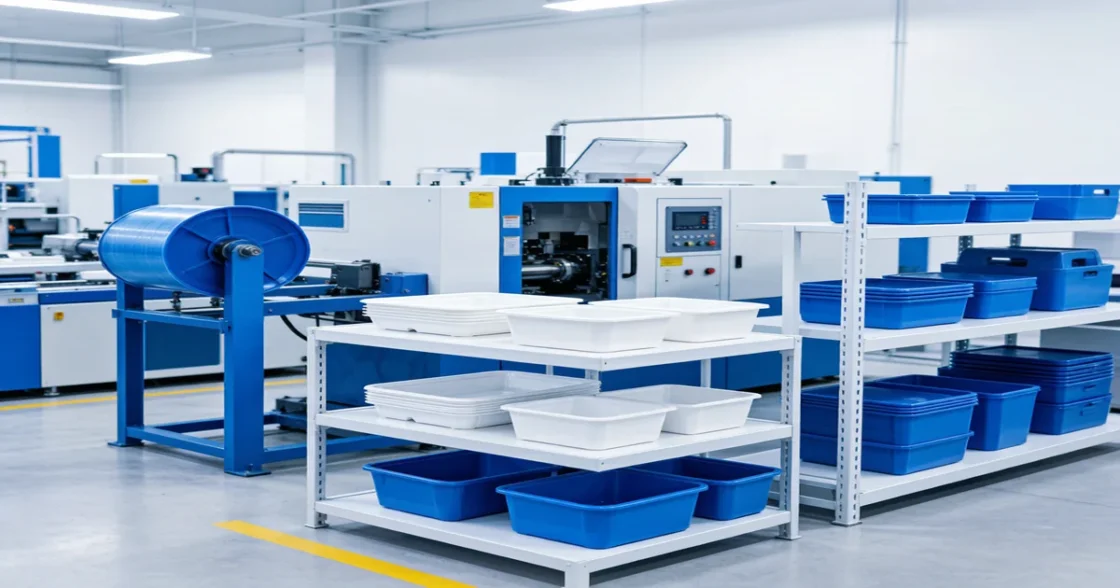
The plan requires packaging enterprises to establish a “cradle-to-cradle” full-lifecycle evaluation system. For custom plastic packaging enterprises, the most direct response paths are:
1. Material side: deploy PLA/PBAT blend modification technology to improve the heat resistance and barrier properties of biodegradable materials
2. Design side: promote mono-material design to improve recycling compatibility
3. Production side: introduce photovoltaic + energy storage systems to reduce the carbon footprint per unit product
Smart Manufacturing: The Digital Engine of the Packaging Industry
Digital Transformation Goals in the 15th Five-Year Plan for the Packaging Industry
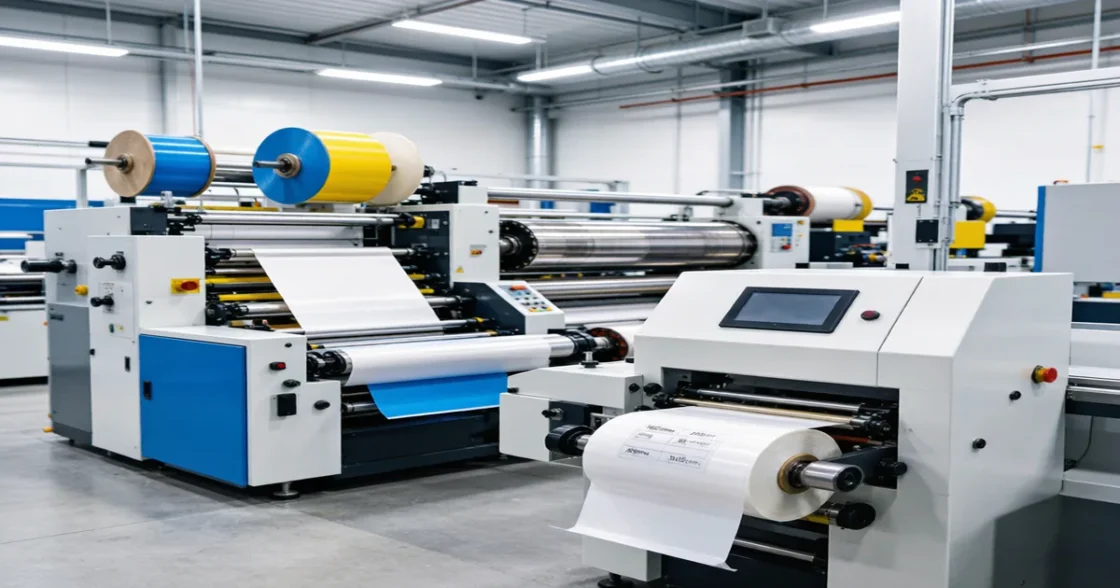
The plan lists “smart manufacturing” as the core direction of packaging industry technology transformation, with key tasks including:
– Smart factory standards: formulate and promote packaging industry smart factory evaluation standards before 2028, cultivating 100 benchmark enterprises
– Digital printing adoption: reduce gravure printing capacity share from the current 78% to 55%, and raise digital printing share to 30%
– Industry chain collaboration platform: build a national-level packaging industry internet platform to achieve full-link digitalization of order–production–logistics
Digital transformation path for plastic packaging enterprises (key 15th Five-Year Plan task)
| Transformation stage | Key task | Investment range | Payback period |
|———-|———-|———-|———-|
| Basic digitalization | ERP + MES system launch | CNY 500k–2M | 2–3 yrs |
| Intermediate smartization | Digital printing equipment + automatic inspection | CNY 3M–8M | 3–4 yrs |
| Advanced smartization | Flexible line + AGV logistics | CNY 10M+ | 4–6 yrs |
Key note: The plan clearly provides fiscal subsidies of up to 15% for smart manufacturing upgrades in the packaging industry; enterprises should complete project applications before 2027 to benefit from the policy window.
Circular Economy: From “End-of-Pipe Treatment” to “Source Reduction”
Key Points of Circular Economy in the 15th Five-Year Plan for the Packaging Industry
For the first time, the plan proposes a binding indicator of “packaging recycling rate” and supports it with three core systems:
1. EPR (Extended Producer Responsibility) system expansion: from the current e-commerce parcel field to food packaging and daily-chemical packaging, fully implemented in 2028
2. Packaging deposit system pilot: select 5 cities in the Yangtze River Delta and Pearl River Delta to implement deposit-refund systems for plastic beverage bottles and takeaway meal boxes
3. Green packaging certification system: establish a national-level green packaging product certification; certified products receive bonus points in government procurement… [truncated]