





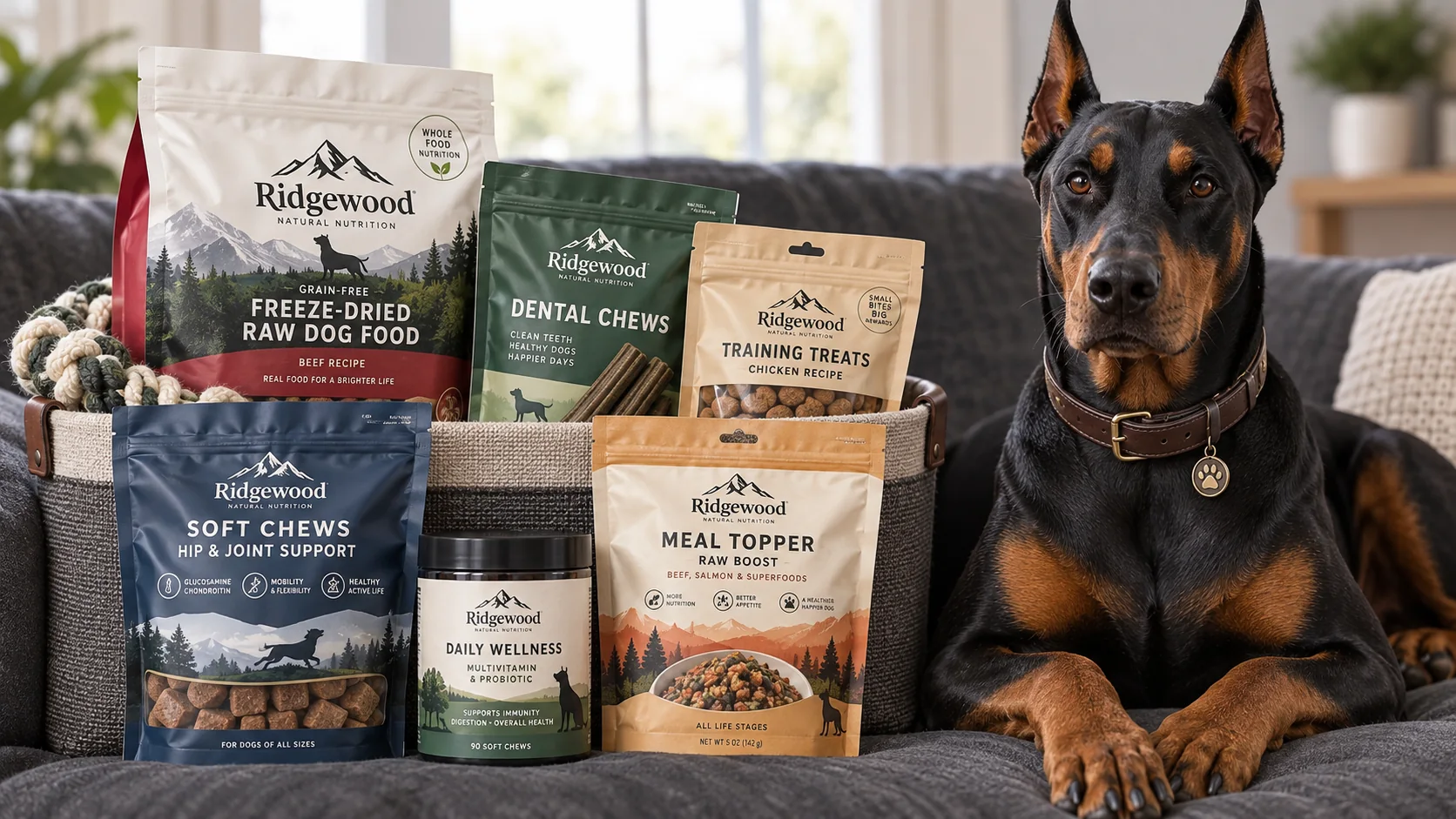
For pet dental chews and jerky, the most common misjudgment is that “a thicker bag is less likely to break.” In actual transport, what really bears against the film is often a very small sharp corner; stick-shaped snacks shift repeatedly inside the box and keep rubbing the same spot. Two structures with the same total thickness can perform completely differently in puncture resistance and flex resistance.
This type of packaging should be tested starting from the worst-case real product. Pick out the longest, hardest, and sharpest-edged snacks, fill them at normal quantities, then go through sealing, boxing, and transport simulation. Using only smooth samples for display bags yields no reliable conclusion.
Sharp corners create concentrated force
Dental chews, bone-shaped snacks, and hard jerky concentrate pressure at very small contact points. The film’s toughness, interlayer bonding, fold resistance, and surface friction all affect the result — it is not solved by simply increasing the thickness of one layer. To judge which layer to adjust, you can first review HASUPACK’s Composite Packaging Bag Layer Structure Guide to understand each layer’s role.
During sampling you can record product orientation, damage location, and pinholes after transport. If damage consistently occurs at similar positions, also check the pouch dimensions and fill volume: a pouch that is too tight lets the contents keep pressing on the film, while one that is too loose may increase movement and friction.
Oil and crumbs carry the problem to the seal
Oil on the surface of jerky may get on the bag mouth, and dental-chew crumbs can fall into the heat-seal zone. A seal that looks continuous does not mean there are no micro-channels inside. Simply raising the temperature sometimes only deforms the film and does not eliminate the trapped-material problem.
The drop path, bag-mouth allowance, pre-seal cleaning, temperature, pressure, and time need to be observed together. Production trials should run at normal speed, because slow manual filling gives powder more settling time and is often easier to seal well than real production.
Barrier requirements depend on formulation and sales cycle
High-fat jerky, freeze-dried snacks, and low-fat biscuits differ in their sensitivity to oxygen, moisture, and light. Material selection should combine product data, target shelf life, and distribution environment, rather than unifying all pet snacks into one “high-barrier pouch.”
Pet food and snacks should be stored in a cool, dry place and kept in their original packaging with batch number and expiry date — a point consistent across industry guidelines in most markets; see the relevant notes from FEDIAF. Acceptance methods for puncture resistance and seal strength can follow ASTM F88/F88M. This also reminds packaging developers that label abrasion resistance and the readability of traceability information are also part of packaging performance.
A zipper solves the usability problem, not the unopened seal
Pet snacks taken repeatedly are suitable for evaluating a zipper, but the zipper cannot replace the permanent seal before first opening. Hard snacks can also get stuck near the zipper, making consumers think it is fully closed.
Run multiple open-close tests with bags filled with product, observing whether the zipper is contaminated by crumbs, whether the bag mouth is easy to reach into, and whether the pouch can stand stably. For large-size packaging, the carry handle and bottom load should also be tested together.
Transport testing must match the real boxing method
Single-pouch drops are only part of it. E-commerce parcels, full-case logistics, and pallet transport exert different forces; outer-box dimensions, pouch arrangement, voids, and stacking height all change the damage outcome. Packing too tightly may press sharp corners against the pouch wall, while too loosely increases inter-pouch collisions.
ASTM’s F88/F88M seal-strength method can help evaluate seals, but it needs to be paired with leak, drop, vibration, and actual shelf-life work. Test methods, sampling locations, and acceptance ranges should be agreed before mass production.
What to provide during sampling
- Snack formulation characteristics, surface oil, single-piece dimensions, and the sharpest sample
- Net content, desired pouch dimensions, box quantity, and sales channel
- Target shelf life, storage temperature and humidity, and mode of transport
- Filling speed, sealing equipment, and whether a zipper, carry handle, or tear notch is needed
- Planned acceptance methods for puncture, seal, leak, and transport
HASUPACK’s Pet Food Packaging Solutions lists common pouch formats and structural directions. For dental chews and jerky specifically, still let real products and transport trials do the screening.
Common questions in projects
Does thickening solve dental-chew puncturing of the bag?
Not necessarily. Toughness, fold resistance, interlayer structure, pouch tightness, and boxing method all affect puncture; candidate structures need to be compared using real contents.
Does adding a clear window affect shelf life?
The transparent area may change the overall barrier and light-blocking performance. Whether it is suitable depends on the formulation, window material, area, light exposure, and shelf-life results.
Can jerky and dental chews share one bag?
It is possible, but you must compare the two in oil, sharp corners, fill volume, and seal contamination. A shared structure should be a test result, not just a purchasing assumption.
For hard pet snacks, packaging reliability ultimately shows up in pinholes, seals, and post-transport integrity — not in the total thickness on the quotation. Put the worst-case product into testing, and the conclusion becomes meaningful.





