





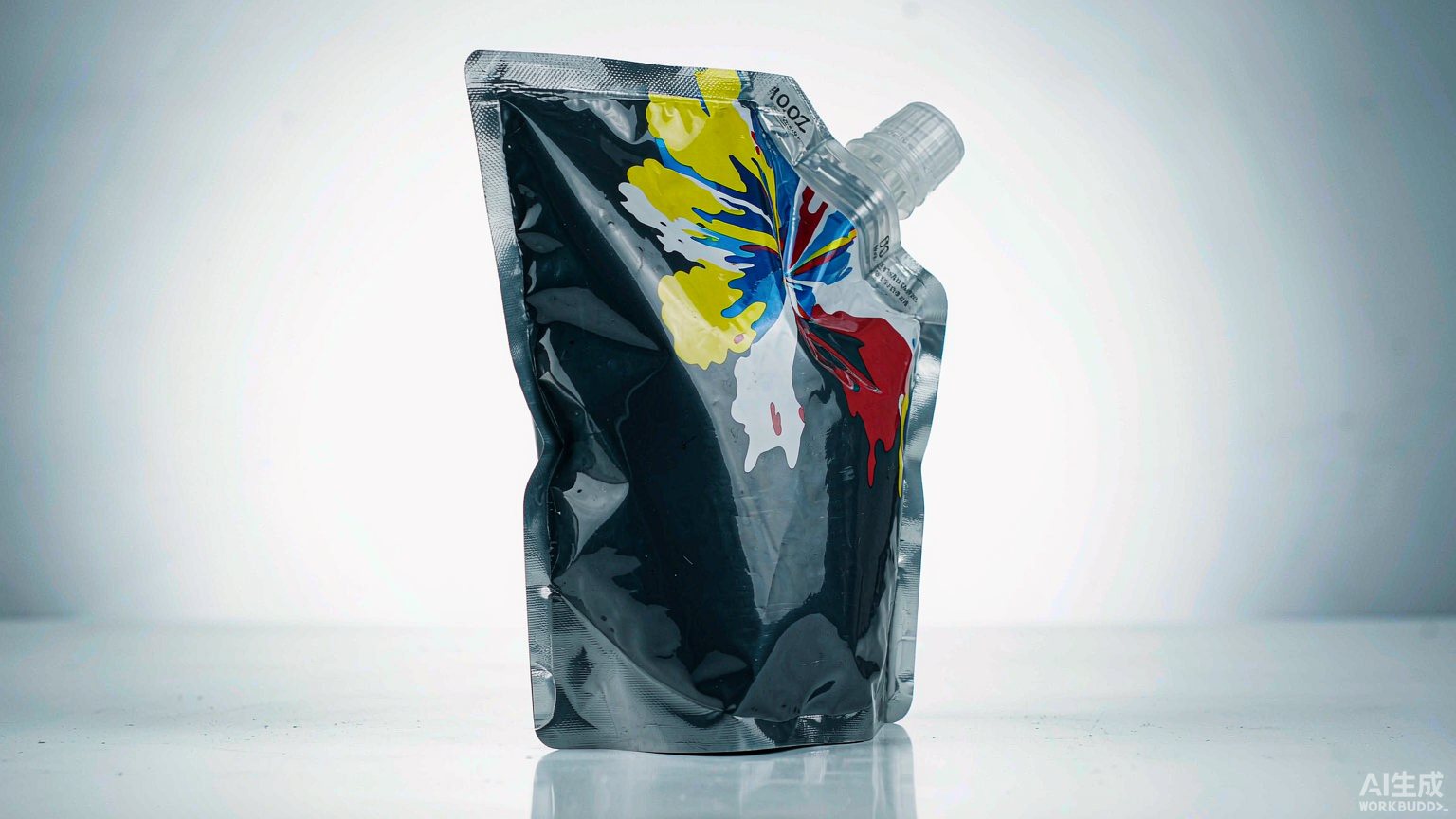
For liquid products like sauces, concentrated juice, and laundry detergent, the two easiest pitfalls in packaging selection are: first, using an ordinary stand-up pouch for filling, only to get side-seal leakage during transit; second, choosing an incompatible spout, causing frequent pouch bursts on the filling line. Both answers point to the same pouch format—the spout pouch. In recent years, spout pouches have clearly gained penetration in food and household-chemical sectors, for a simple reason: they save warehouse and freight costs versus bottles, are easier to use than ordinary flexible packaging, and consumers just twist open, squeeze, and twist shut for later. This article explains the key decision points of spout pouch customization from real factory order experience.
The Basic Structure of a Spout Pouch: the Body and the Spout Are Two Processes
Many buyers treat the spout pouch as a single bag, which easily leads to problems. Strictly speaking, a spout pouch = body + spout + cap, three parts. The body is made from laminated film; the spout and cap are separately injection-molded rigid plastic parts, then heat-sealed onto the body. In other words, you are actually sourcing two supply chains: the printing, lamination, and pouch converting of the film is one line, and the mold development and injection of the spout is another.
This structure determines the quoting logic. The body price varies with the number of print colors and lamination layers; the spout price depends on the orifice specification and cap type. Common spout diameters range from 8.6 mm to 28 mm. High-viscosity products like jam and honey should use a larger orifice, or consumers will lose patience squeezing out the last bit; juice and seasoning oil do better with a smaller orifice for flow control.
How to Set the Material Combination: Content First, Then Sterilization Process
The material logic of a spout pouch body is consistent with ordinary flexible packaging—the core is balancing barrier performance and heat sealing. Common combinations come in three tiers: PET/PE suits short-shelf-life ambient products; PET/AL/PE or PET/metallized/PE suits oxygen-sensitive juice concentrates and light-sensitive sauces; structures with a PA layer (such as PET/PA/PE) are used for products requiring pasteurization or high-temperature filling. For what each layer of a laminate does, see our earlier detailed guide to composite packaging processes.
One easily overlooked point: the spout itself is usually PE or PP, and its melting point must be lower than or equal to the heat-seal layer of the inner pouch film. If the body uses a high-temperature retort inner layer like CPP, an ordinary spout cannot be welded on, and a high-temperature-resistant custom spout is needed, pushing cost up a notch. So the material plan must be confirmed with the factory at the quotation stage—don’t wait until sampling to discover the weld strength falls short.
Spout Position and Pouch Format Pairing
The spout can be placed at the top corner of the pouch or centered on the top. The angled (corner) spout is the market mainstream—larger opening and higher efficiency during filling; the top-center spout looks neater and suits gift-box-positioned products. The body itself can use a stand-up bottom or a flat structure. For the load-bearing and shelf-display differences between the two bottom types, we compare them in detail in our stand-up pouch material selection guide, so we won’t repeat it here.
One caution: spout pouches above 1 L demand higher body stiffness and seal-edge width; the seal edge usually needs widening from the standard 8 mm to over 10 mm, otherwise a full pouch often fails the drop test. The drop test (1.2 m drop onto all six faces while full) is a standard inspection item—recommend writing it into the procurement contract.
Which Products Suit Spout Pouches
From our order data, spout pouch demand concentrates in four categories: condiment sauces (ketchup, chili sauce, salad dressing), beverage concentrates (juice concentrate, coffee concentrate), baby supplementary food, and household chemicals (laundry liquid, hand soap, shampoo refill). Among these, the household-chemical refill is the fastest-growing segment in recent years—regulatory pressure on plastic reduction in European and American markets has led many brands to replace rigid bottles with flexible refill pouches, with relevant background in the business logic of eco-friendly packaging. For refill categories, you can also refer to export cases on the HASUPACK website.
Unsuitable cases should also be stated clearly: gas-filled products (such as carbonated drinks) are not recommended for spout pouches, as internal pressure keeps stress on the seal edges long term; sauces with large solid particles need an evaluation of the filling-pipe diameter, or the filling step will clog.
Three Things to Confirm with the Factory Before Customization
First, the filling method. Manual or machine filling? Machine filling demands tight tolerances on spout diameter and flat bag mouths; poorly controlled spout tolerances will sharply lower seal yield on the line. Second, the minimum order quantity (MOQ). Because spout pouches add an injection-molded part, their MOQ is usually higher than ordinary stand-up pouches, as the factory must amortize the spout stocking cost. Third, the seal-test plan. Beyond the standard seal-strength test, the spout weld must undergo separate tensile and negative-pressure tests—these two spots are high-leak-risk areas.
Discussing these three issues thoroughly at the quotation stage can save at least one or two sampling rounds; both time and sample costs are real money.
Summary
The value of the spout pouch lies in extending the cost advantage of flexible packaging to liquid categories, but its demands on structural design and process coordination are also higher than ordinary formats. Remember one main line when selecting: content characteristics determine the material, the filling method determines the spout specification, and the sales channel determines the pouch size. If you are evaluating a spout pouch solution for a specific product, contact us for samples and structural advice; the factory will issue a complete material structure sheet and test standards before sampling.





