





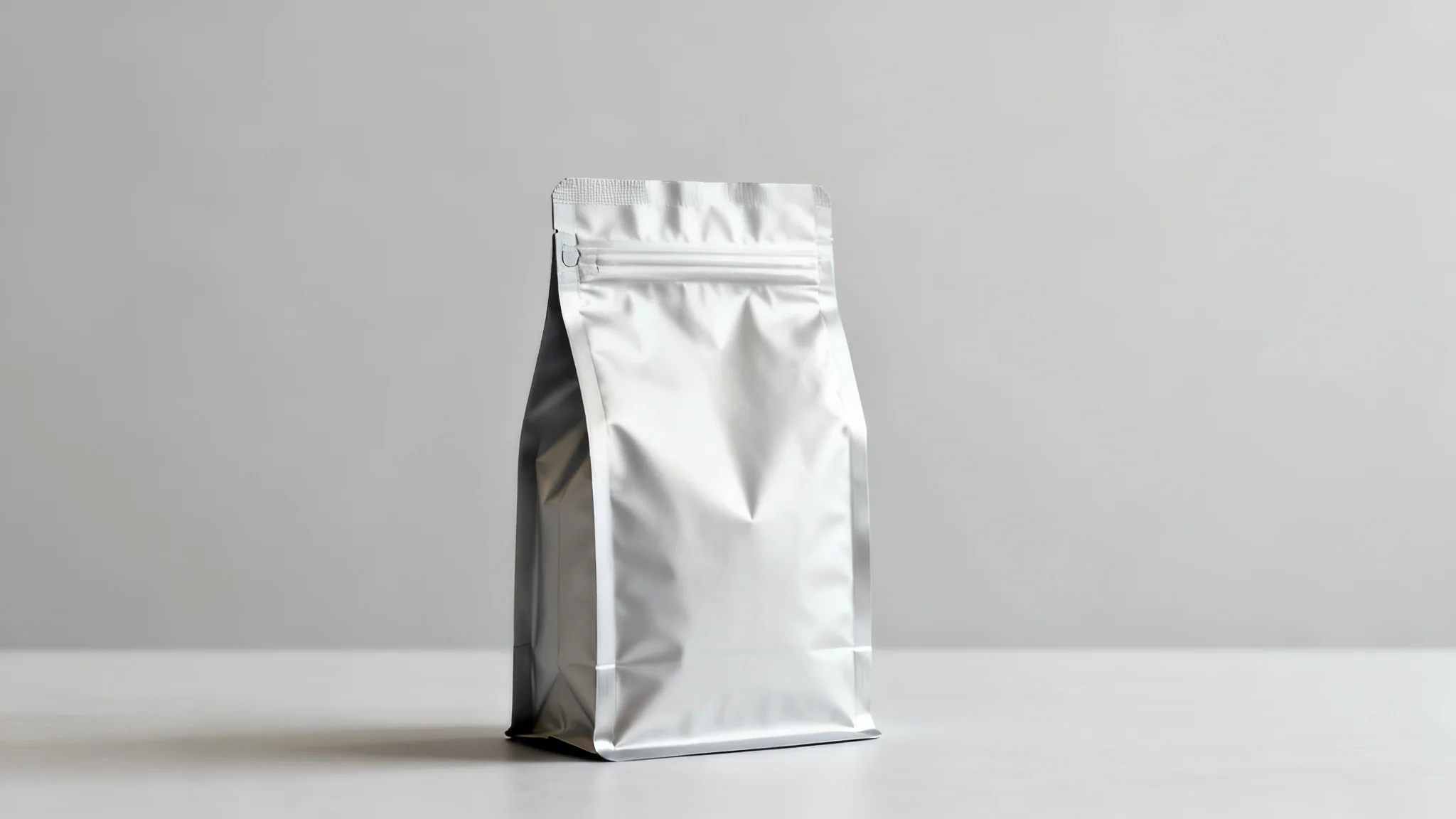
After coffee moved from retail shelves to online sales, its packaging has to clear two hurdles: the drops, compression, and vibration of the courier network, and the impression it makes when the consumer opens the box. Many brands’ first instinct is to add an outer box and stuff it with fillers, resulting in ever-larger parcels and more material, yet no clear drop in damage rate. The root cause is usually not that the bag is too thin, but that the brand has not identified where the damage happens and which materials are never actually put to use. This article moves from force analysis to reduction directions, and ends with a checklist you can use directly for sampling.
E-commerce Changes the Forces Acting on Packaging
Coffee bags on a shelf mainly bear static pressure, while an e-commerce parcel must survive individual drops on sorting conveyors, stacking compression inside delivery vehicles, long-haul vibration, and in-bag bloating caused by pressure changes between cabin interior and exterior. These four force types map to different packaging properties: seal-edge strength, puncture resistance, compression deformation, and venting capability. When designing e-commerce coffee packaging, the spec sheet should be written against the shipping route, not against a shelf photo. The transport test standards published by the International Safe Transit Association (ISTA) are a commonly referenced system for domestic courier-parcel testing; its public materials are a good starting point when you need to judge test severity.
Where Damage Occurs: Seal Edges, Valves, and Zippers
When reviewing damaged parcels, problems concentrate in three areas. First, the seal edges and corners: when a parcel lands on its side, the corners and bottom seal take the main impact, and a seal that is too narrow or sealed with the wrong parameters will crack here. Second, the one-way degassing valve: if the valve is pinned against the box wall for the whole journey, it is easily compressed out of shape and loses its venting function, showing up at the consumer’s end as bloating or air leakage. Third, the zipper area: once the bag is flattened, stress shifts to both sides of the zipper, and repeated compression can pull the seal open.
The fixes for these three areas are completely different, so troubleshooting needs an order: coffee bag material selection addresses film-layer strength and barrier; valve-position design solves venting; pouch geometry determines stress distribution. Look at where the damage is on the failed parcel first, then decide what to change–this is far more economical than thickening the whole bag.
Three Directions for Reduction: Structure, Size, and Secondary Packaging
Reduction is not simply making things thinner; there is a sequence of three directions. Direction one is pouch structure: a format with good bottom load-bearing (such as a flat-bottom or box-bottom structure) distributes impact stress better during drops, so the same protection level can be achieved with thinner film. For the structural difference between stand-up pouches and regular bags, see our stand-up pouch vs. regular bag comparison. Direction two is size matching: a mailer whose dimensions closely fit the actual bag leaves little void space, so the bag shifts less in transit–saving material and reducing damage. Direction three is secondary packaging: check the inner box and fillers layer by layer, and each layer must answer one question–which force type is this layer protecting against? Any layer that cannot answer is usually a layer you can remove.
Once the direction is set, reduction options such as paper-plastic laminates can be evaluated as candidates. For the recycling-property differences between the two materials, see our eco analysis of paper-plastic composite packaging; the final choice must take local recycling conditions into account.
Barrier and Aroma Protection Are Non-Negotiable
Reduction has one bottom line: barrier performance must not be compromised to save material. Coffee’s aroma loss and oxidation continue throughout the entire transport-plus-storage cycle, and the e-commerce channel–from shipping to the consumer finishing the bag–is often longer than the retail cycle, so the barrier grade should be set against this time window, not the retail one. For the selection logic of functional parts such as valves and zippers, see our functional packaging selection guide. Any barrier figure should be validated by filled-package storage testing; the figures in a material spec are only a first-pass screen for candidate directions.
Validate with Sampling and Small-Batch Shipment Tests
Validation has two steps. Step one is sample confirmation: produce a sample to the target structure, fill it with the actual product, then check the seal-edge appearance, valve position, and zipper feel; also observe the bag’s standing stability and dimensions when full, and confirm the mailer specifications. Step two is the small-batch shipment test: pack the finished retail packaging and ship it through a real courier channel to your main sales regions, then inspect each parcel for damage location on arrival. Record for the test shipment: where the damage occurred, which route it took, and which secondary packaging was used. The damage pattern across a few dozen parcels is usually enough to tell whether the improvement should target the film, the pouch format, or the outer box. For domestic projects, you can also set drop and stacking test conditions against the national standard series “Packaging–Basic Tests for Transport Packages” (GB/T 4857 series); the standard texts are searchable on the National Standards Full-Text Public System.
Small brands without lab facilities do not need to wait until equipment is complete before validating–a real courier shipment test is itself the most realistic test. High-volume brands can combine shipment-test data with lab transport testing to form a fixed acceptance standard.
Conclusion
Protection and reduction in e-commerce coffee packaging are not in conflict; what conflicts is protection without analysis. Troubleshoot damage in the order of seal edges, valves, and zippers; reduce material in the order of structure, size, and secondary packaging; and validate every change with sampling plus small-batch shipment tests. Damage rate and material cost can usually be lowered together. Writing the confirmation sequence into a fixed checklist and rerunning it each time you change a spec or a channel is far cheaper than fixing problems after the fact.
Frequently Asked Questions
When a customer reports a damaged coffee bag, which area should I check first?
First check the seal edges and corners, since these are the main load points during a side drop and where cracking most often occurs; if the seal is intact, check whether the valve is compressed out of shape, and finally check whether the zipper sides have been forced open. This order quickly locates whether the problem lies in sealing parameters, valve-position design, or pouch geometry, avoiding the cost increase of simply thickening the whole bag and shortening troubleshooting time.
Will reducing film thickness directly raise the burst rate?
Not necessarily. The burst rate depends on the force-bearing structure and the damage location, not just film thickness: a thinning approach that distributes stress into the pouch geometry can be more burst-resistant than keeping the original structure, while blind thinning pushes damage up. The correct approach is to change only one variable at a time and decide based on burst data from small-batch shipment tests rather than gut feeling–only then does the reduction hold up.
Without lab facilities, how do I verify the packaging survives courier handling?
Start with a real small-batch courier shipment test–this is the most realistic way to validate e-commerce coffee packaging. Pack the actual product, ship through your sales channel to the main regions, and record the damage location and route for each parcel on arrival. The pattern across a few dozen parcels is enough to expose seal-edge, valve, or size-matching problems; once conditions allow, add lab transport testing to lock in the acceptance standard as a reference for the next spec change.
What if the valve is crushed during shipping?
First adjust the valve position so it avoids the wall contact points of the mailer or inner box; in most cases this solves it. If it is still compressed, consider adding a buffer structure or changing the pouch size so the bag holds a fixed posture inside the package. After any change, verify through a shipment test that the valve’s venting function is normal–do not rely on appearance alone. If multiple pieces in the same batch show valve deformation, go back and check the size match of the secondary packaging.





