





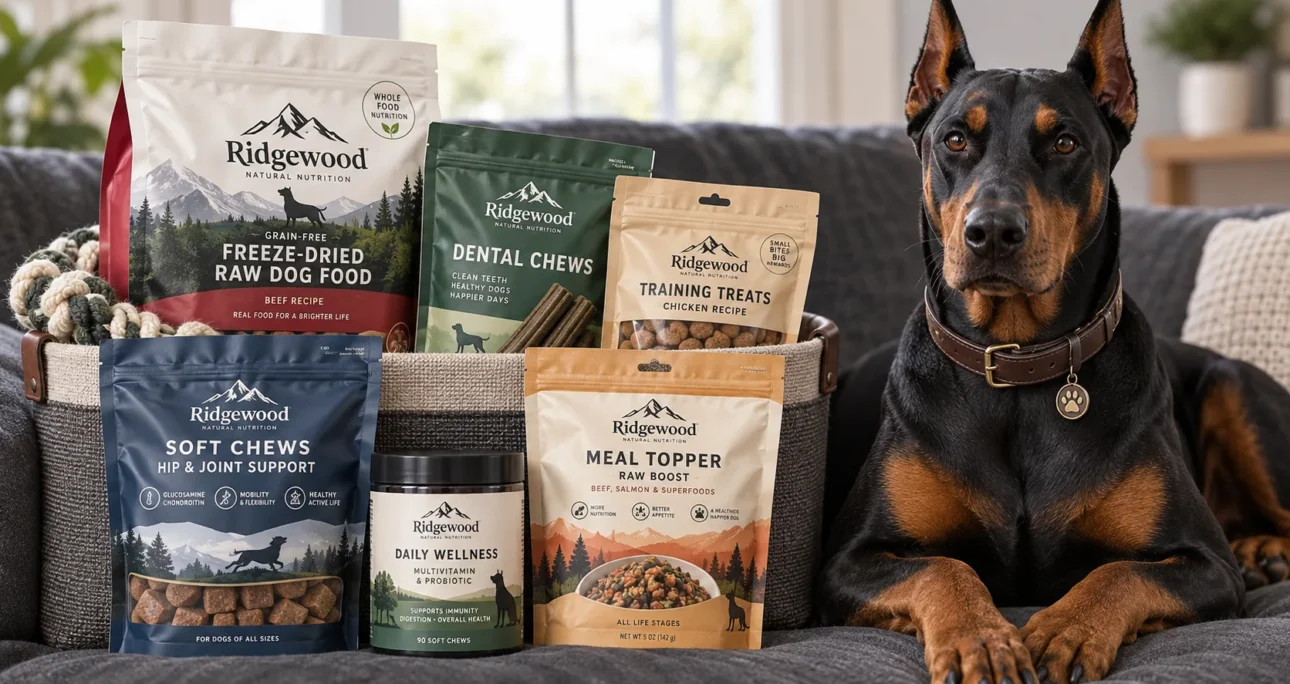
Packaging for Pet Dental Chews and Jerky: Why Puncture Resistance Is More Than Just Bag Thickness
Dental chews and jerky bring sharp corners, friction, oil, and trapped-material issues to packaging; total thickness alone makes it hard to judge real...
Frozen food packaging and ambient food packaging may both look like flexible packaging pouches, but their selection logic is entirely different. We often see customers apply a structure designed for...
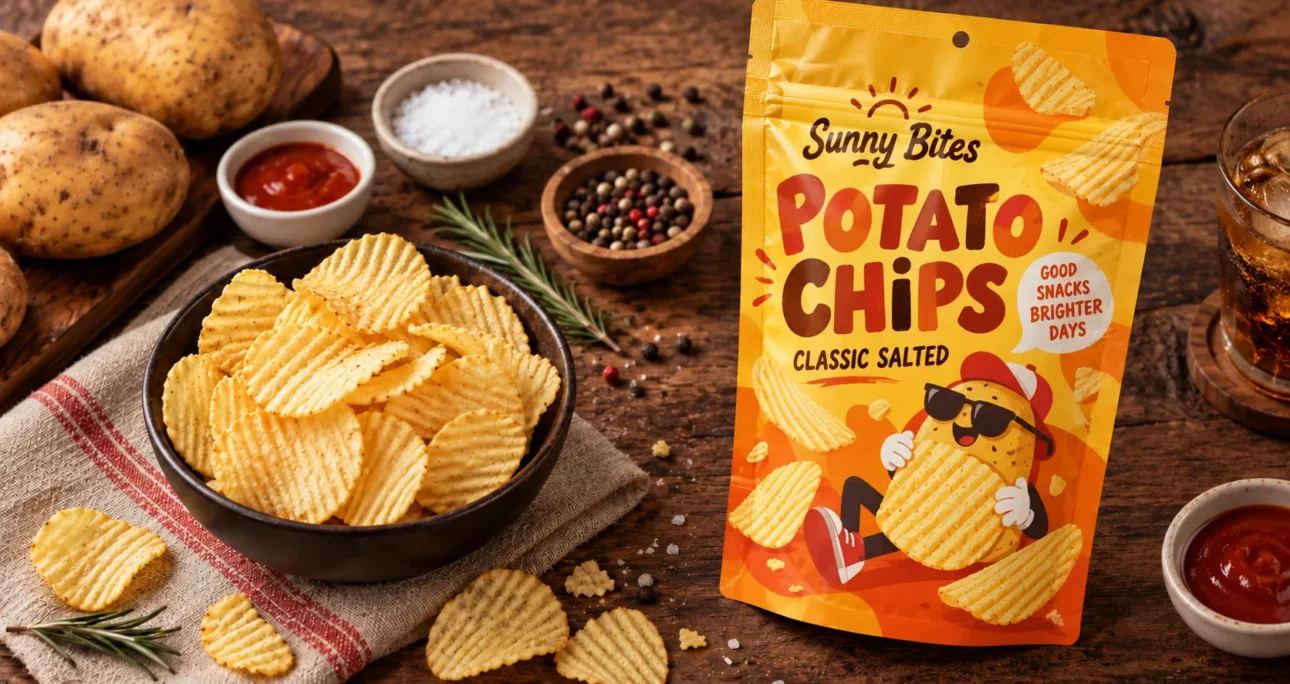
Potato Chip & Puffed Snack Packaging Solutions: Balancing Moisture Barrier, Gas Flushing, and Seal Stability
From crispness, oil oxidation, gas-flush cushioning, rollstock trials, and seal testing, this outlines the selection logic for potato-chip and puffed-snack...
Many buyers ask how many layers a laminate pouch has and why one film isn't enough. This guide explains the layer logic, each layer's role, and common structural-design...
Common packaging design mistakes usually stay hidden until plate-making, printing, or launch, costing rework and scrap. This factory-view guide lists ten frequent design failures and the self-checks...
The pouch making process is the final stage that shapes printed laminated film into three-side, four-side, or flat-bottom pouches. This guide covers the core steps, seal parameters, and how to match...
A first custom packaging order succeeds on a transparent process, not just price. This complete guide walks through five stages, requirements, quoting, sampling, production, and inspection, with the...

How to Choose Antistatic Packaging Bags: ESD Protection Guide for Electronics
Antistatic packaging bags are the first line of ESD defense for electronic components. This guide compares shielding, antistatic, and conductive bags and explains the metrics and customization points...

Gusset vs. Side-Gusset Pouches: Choosing the Most Space-Efficient Flexible Packaging
Gusset and side-gusset pouches turn flat bags into standing, space-efficient containers. This article clarifies their structural difference, ideal product scenarios, and the parameters to confirm...
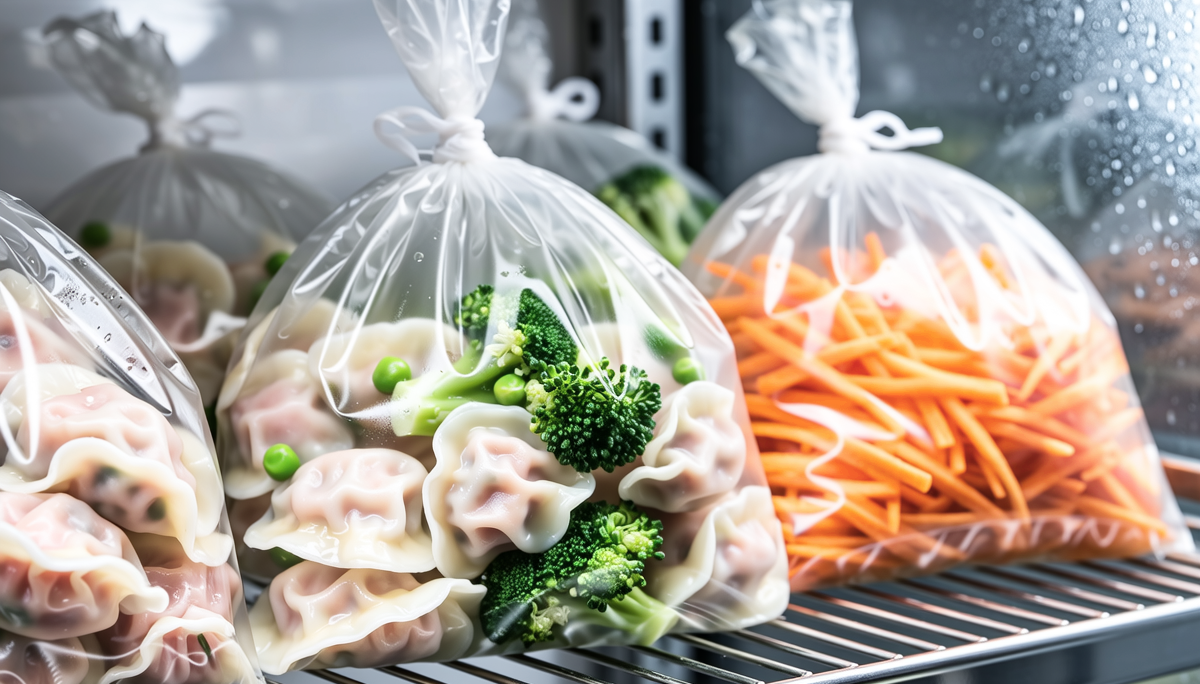
How to Choose Frozen Food Packaging Bags for -18℃: Low-Temperature Solutions Explained
Low-temperature frozen packaging bags must resist embrittlement, freezer burn, and odor transfer at -18℃. This guide covers material choices, pouch formats, and the four parameters to confirm before c...


