





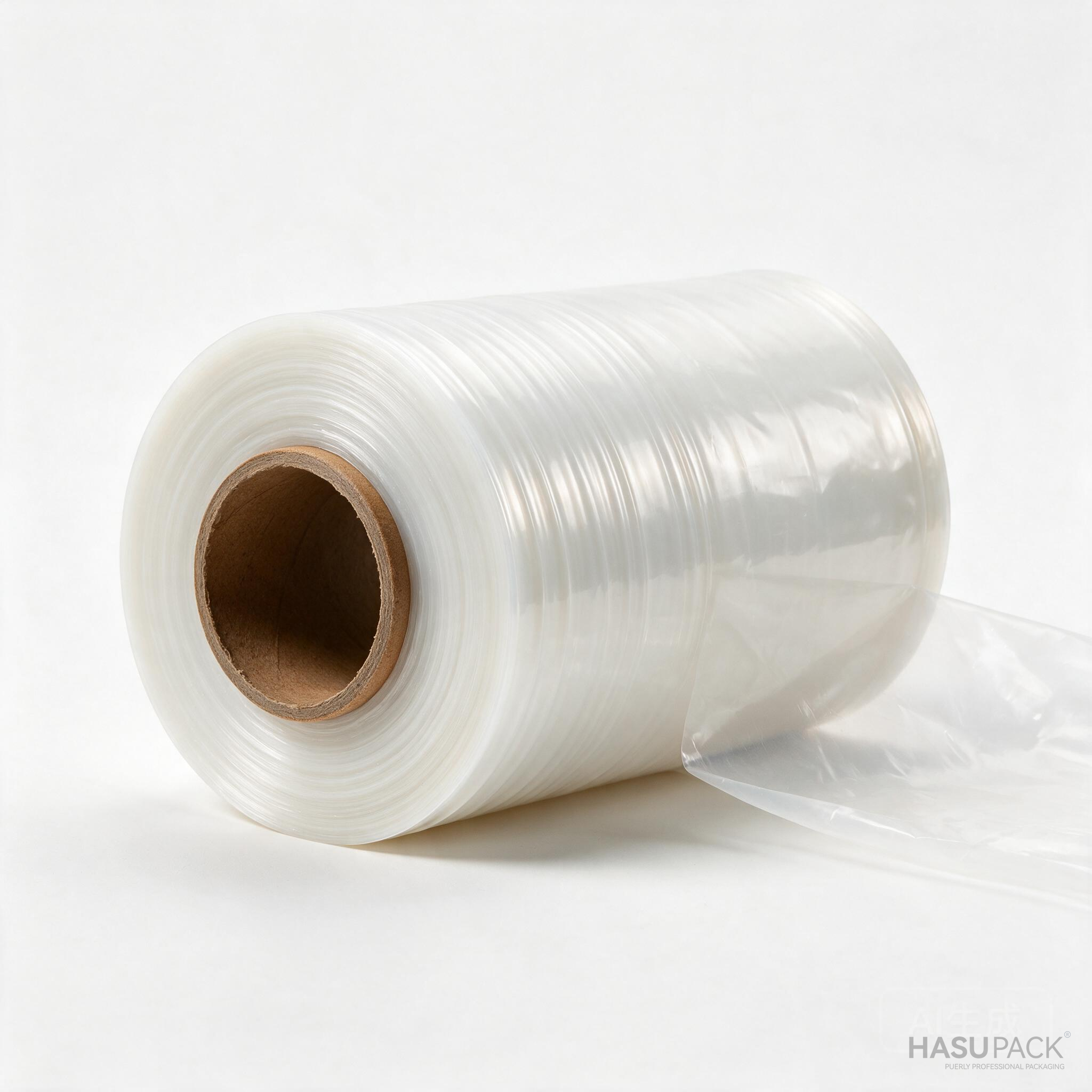
PE bags are the most basic and widely used form of packaging in the food industry. From supermarket cling bags to the inner layers of industrial laminates, PE bags cover scenarios from daily use to industrial applications with their excellent properties. Starting from the molecular structure of polyethylene, this article systematically explains the types, characteristics, and practical food packaging applications of PE bags, helping you fully understand this “versatile” packaging material.
I. The Basics of PE Bags: Polyethylene Molecular Structure and Classification
Polyethylene (Polyethylene, abbreviated PE) is a thermoplastic resin polymerized from ethylene monomers. Based on the degree of chain branching and density differences, PE bags are mainly divided into the following three categories:
(1) Low-density polyethylene (LDPE): High chain branching, density 0.915–0.935 g/cm³. LDPE is soft and clear, and is the main raw material for cling film and shopping bags. LDPE bags feel soft and seal easily, but have relatively low mechanical strength, suiting light-weight product packaging.
(2) High-density polyethylene (HDPE): Low chain branching, density 0.941–0.967 g/cm³. HDPE is rigid, high-strength, and chemically resistant, and is the main raw material for detergent bottles and milk jugs. HDPE bags are common in supermarket shopping bags and frozen food outer packaging—strong load-bearing but with poorer clarity.
(3) Linear low-density polyethylene (LLDPE): Linear chain structure with short branches, density between LDPE and HDPE. LLDPE combines flexibility and strength with excellent tensile properties, and is currently the most widely used PE material in flexible laminates. Many food packaging laminates use LLDPE for the heat-seal layer because of its excellent low-temperature sealability and seal strength.
Understanding these three basic types is the first step to choosing PE bags correctly. Different applications demand different levels of flexibility, strength, clarity, and heat-seal performance from PE bags; selecting the right material significantly improves packaging performance and reduces cost.
II. Core Applications of PE Bags in Food Packaging
The applications of PE bags in food packaging are broader than most people imagine. Here are the most common scenarios:
1. Fresh food packaging: Vegetables, fruits, meat, and aquatic products heavily use PE cling bags. LDPE film has good air and moisture permeability, keeping food fresh while preventing condensation. The tray-plus-PE-film overwrap in supermarket chilled-meat cases is a typical LDPE application.
2. Frozen food packaging: Quick-frozen dumplings, frozen vegetables, ice cream, and other foods stored below −18℃ typically use HDPE or LLDPE for the outer bag. PE retains good toughness at low temperatures without becoming brittle or cracking, while offering excellent moisture barrier to prevent freezer dehydration of frozen food.
3. Inner heat-seal layer of laminates: This is the most critical application of PE bags in flexible packaging. The inner layer of most laminated pouches (such as three-side seal pouches and stand-up pouches) is PE film. As the heat-seal layer, PE determines the seal strength and reliability of the package. For example, the inner layers of the chips bags, coffee bags, and seasoning pouches we commonly see are almost all PE.
4. Dry goods packaging such as rice/flour: Most household rice bags use single-layer PE or laminated film bags. PE’s good moisture resistance and sufficient strength meet the loading and storage needs of 5 kg–25 kg of rice.
HASUPACK has 15 years of PE film production experience and provides full-range PE bag customization from LDPE to LLDPE. Contact our technical team for professional material selection advice.
Get a Consultation →III. PE Bag Safety: Is Food-Grade PE Really Safe?
There are many misconceptions about PE bag safety in the market. In fact, polyethylene is recognized as one of the safest food packaging materials, for three main reasons:
First, the chemical inertness of PE: The polyethylene molecular structure is stable and does not react chemically with water, oils, acids, alkalis, or other substances at room temperature. This means PE bags do not release harmful substances into food and do not change its taste or composition.
Second, no plasticizer risk: Unlike PVC, PE does not require the addition of phthalate plasticizers during production. The “plasticizer migration” issue that has drawn high public attention in recent years is essentially absent in PE bags. This is also an important reason PE is widely used in food contact materials.
Third, compliance with food-grade standards: Food-grade PE bags must meet the GB 4806 series of national standards and the GB 9685 food contact material standard. PE bags from regular manufacturers are strictly controlled in raw material selection, production process, and residual solvent management. When purchasing, look for the “for food contact” mark and manufacturer information to ensure safe use.
Notably, although PE bags are safe, they are not recommended for microwave heating (the heat resistance of ordinary PE is about 80–110℃). For heating food, choose dedicated packaging marked “microwave-safe.”
IV. Environmental Profile and Sustainability of PE Bags
Under the global plastic-reduction environment, the environmental impact of PE bags has drawn much attention. Objectively, PE bags have the following key environmental characteristics:
Recyclability: PE is a thermoplastic that can be melted and remade many times. PE bags (especially HDPE and LDPE) are among the most mature plastic categories in current recycling systems. PE film recycling technology is very mature; after washing, crushing, and pelletizing, it can be used to make garbage bags, pipes, wood-plastic composites, and more.
Mono-material trend: Traditional laminates, containing multiple different materials (such as PET/AL/PE), are difficult to recycle. Mono-material PE packaging (all-PE structure) is becoming an industry trend—it retains the excellent properties of PE bags while greatly improving recyclability. Many brands have already begun switching multi-layer laminates to all-PE structures.
Down-gauging technology: By improving PE formulation and processing, film thickness can be reduced without affecting mechanical properties—an important direction for lowering the carbon footprint of PE bags. Taking supermarket shopping bags as an example, thickness has been reduced from 40 μm in the early days to 20 μm or even thinner now, cutting plastic use by more than 50%.
V. Customization and Purchasing Advice for PE Bags
If you are selecting PE packaging bags for your product, the following points deserve attention:
1. Clarify the usage scenario: Room-temperature storage, frozen/chilled storage, or high-temperature retorting? Different scenarios require different PE types. For example, products needing freezing should use LLDPE or specially formulated PE film with better low-temperature performance.
2. Focus on heat-seal performance: The seal reliability of PE bags directly determines the freshness and transport safety of the package. Quality PE bags should have a heat-seal strength above 15 N/15 mm, with a wide heat-seal temperature range to suit high-speed automatic packaging machines.
3. Choose a reliable supplier: A custom pouch manufacturer’s strength shows in three areas—equipment level, raw material control, and quality inspection system. We recommend on-site visits or requesting samples for performance testing.
4. Consider environmental factors: If you have eco requirements, prioritize recyclable mono-material PE structures, or use PE film containing PCR recycled content (subject to confirming food-contact compliance).
HASUPACK provides one-stop PE bag solutions from material selection and formula design to finished-product delivery. Our professional team offers a free assessment of your packaging needs and recommends the optimal solution.
Contact Us →PE bags may seem simple, but they play an irreplaceable role in food packaging. From the basic polyethylene molecular structure to complex multi-layer lamination applications, the potential of PE materials is far from fully tapped. Understanding the characteristics of PE bags enables smarter packaging material decisions. For further technical parameters and customization options for PE bags, visit the HASUPACK website or contact our technical team directly.





