





Surface lamination is an often-overlooked finishing step in flexible packaging production, yet it directly shapes how a product performs on the shelf. On the same printed film, choosing a matte or gloss overlay changes the finished reflection, hand feel, scratch resistance, and even unit cost. Many brands only realize at the sampling stage that a beautiful artwork looks cheap because the wrong lamination was selected. From a factory perspective, this article explains the principle of packaging lamination and how to choose between the two mainstream film finishes.
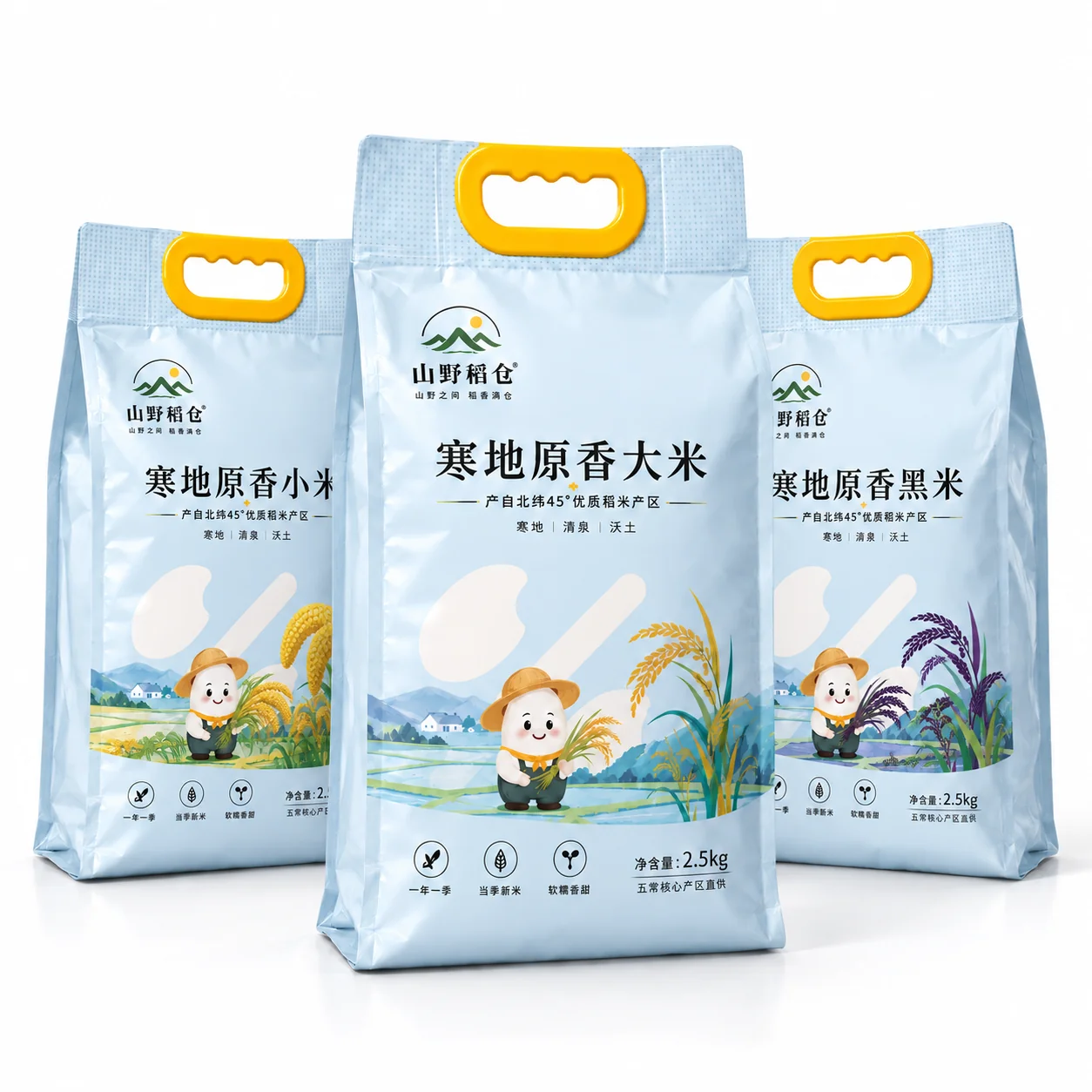
1. What Is Packaging Lamination, and Why Add a Film After Printing?
Lamination (colloquially called over-lamination on the production floor) is the process of applying a transparent film over the printed surface. In the industry it is also referred to as surface finishing. It serves three purposes: first, to protect the ink if the printed design is left exposed, friction in transit, handling on the shelf, and consumers fingers will scuff the ink layer; second, to control gloss, where matte and gloss finishes create entirely different visual characters; and third, to improve stiffness and hand feel, leaving the laminated pouch firmer and more substantial.
It is important to distinguish surface lamination from structural lamination. The inner laminate determines barrier and strength (see our Complete Guide to Packaging Printing Processes), whereas surface lamination only addresses appearance and abrasion resistance. Lamination is typically done after printing and before slitting and pouch converting. Common methods include dry lamination and pre-coated thermal lamination; small-batch orders usually use pre-coated film to skip the gluing and drying steps.
2. Matte Lamination: A Premium Look That Demands More from the Process
Matte film is treated with a matting (delustering) coating, giving low reflectivity and a soft, velvety finish. It has grown very popular in recent years for coffee, nuts, pet food, and mid-to-high-end household and personal-care packaging, for a straightforward reason: matte tones down large solid and dark colors, making the brand visual appear more restrained and premium. A hidden advantage of matte is that it photographs well under e-commerce detail pages and live-stream cameras it is less prone to harsh specular highlights.
Matte comes with trade-offs. First, its scratch resistance is relatively lower; once a dark matte surface is scratched by a hard object, the scratch turns whitish and is more visible than on gloss, so products running through high-friction automatic packaging machines should be chosen with care. Second, the cost is slightly higher matte film itself costs more than standard gloss film, and the matting coating also affects adhesive control. Third, it demands good ink-to-adhesive compatibility; if residual solvent is excessive, the matte surface easily becomes blotchy or develops localized glossy spots.
3. Gloss Lamination: Vivid Color at a Lower Cost
Gloss lamination is the most traditional and versatile choice. It noticeably boosts ink saturation and contrast; warm colors like red and yellow pop more under gloss, suiting snacks, confectionery, and seasonings that emphasize appetite and energy. Gloss film has a dense surface with good abrasion, fold, and water resistance, and runs more stably at high speed on automatic packaging machines with lower reject rates.
The downside of gloss is the risk of a cheap look: large glossy areas with strong reflection can evoke early ordinary plastic bags. In addition, gloss surfaces are more sensitive to fingerprints and oil stains, leaving marks after shelf handling. For brands with a premium positioning, the usual approach is spot matte combined with spot gloss, balancing texture and color.
4. Matte or Gloss? Five Dimensions to Guide Your Decision
1. Product category and shelf environment. For snacks, confectionery, and childrens food, prefer gloss; for coffee, tea, nuts, pet food, and household or personal care, prefer matte.
2. Brand personality. To convey restraint, naturalness, and texture, choose matte; to convey energy, value, and a promotional feel, choose gloss.
3. Dominant color of the artwork. Dark or large solid colors pair better with matte for a more refined look; colorful illustrations and realistic food photography read more vividly under gloss.
4. Packaging method and friction. For high-speed automatic packaging and heavy friction during boxing and palletizing, prefer gloss or abrasion-resistant matte.
5. Budget and MOQ. With a tight budget or small trial batch, start with gloss to validate the market, then upgrade to matte once demand is confirmed. If heat-seal parameters need adjustment, refer to our Heat-Sealing Temperature Setup Guide to confirm the process window.
5. Common Lamination Defects and Acceptance Tips
Three defects occur most often in lamination: first, bubbling and tunneling, usually from uneven adhesive amount, insufficient drying, or residual moisture in the film; second, insufficient peel strength, shown by edge lifting or peeling by hand, typically caused by wrong adhesive selection or inadequate curing time; and third, uneven gloss (blotchiness), related to residual ink solvent and matte-coating quality.
For acceptance, we suggest three checks: rub the surface hard with the palm 20 times to see if ink rubs off; fold the pouch and flatten it to check whether the crease turns white or exposes the base; and cut a strip from the edge and manually peel it 180 degrees to judge interlayer bond strength. Always run an on-machine sample before full production, because lamination results depend on the artwork, ambient humidity, and equipment condition only a passed sample pouch confirms the solution is workable.
Need custom laminated packaging pouches? HASUPACK offers matte, gloss, and combined matte-gloss surface treatments, and can advise on the process based on your product category and budget. Contact us for sampling and a quotation, and feel free to visit our sister site omopack.cn to learn about OMOPACK export packaging solutions.





