HASUPACK has 22 years (to be confirmed) of packaging experience, focused solely on quality packaging.
High-barrier packaging blocks oxygen, moisture, and aroma to extend shelf life. This guide compares AL, EVOH, PVDC, and metallized films, and shows which products need high barrier plus buyer...
EVA packaging material offers low-temperature flexibility and strong heat seals in flexible packaging laminates. Learn its structure, advantages, EVA vs. PE, and processing...
Snack pouch design differs by product: chips need nitrogen flushing and breakage protection, nuts need high barrier and resealable zippers, biscuits need moisture protection and...
Custom flexible packaging runs from inquiry to delivery in 12 stages across five phases. This factory-view guide covers requirements, sampling, quotation, production, and...
Since its introduction, the EU packaging tax has been a focal point for Chinese exporters to Europe. Levied at EUR 0.8 per kg on non-recycled plastic packaging waste, its cost flows down the supply...
For food packaging exported to the US, almost nothing gets around FDA compliance. The FDA does not issue certificates but manages food-contact materials through 21 CFR regulation lists and Food...
Many consumers worry about plasticizers in food packaging. In fact, proper food-grade PE, PP, and PET films need no plasticizer at all; this article explains where plasticizers truly come from and...

How the Plastic Restriction Policy Impacts Packaging – 5 Strategies for Flexible Packaging Factories
The plastic restriction policy is turning from documents into real operational pressure, shifting orders from single-use plastics to recyclable and degradable packaging. This article explains the...

Is It Safe to Microwave Plastic? Test Results of 5 Common Materials
Is it safe to microwave plastic? Only PP (recycling number 5) is suitable for microwave heating. This article shares lab test results for five common plastics and explains why ordinary food pouches...
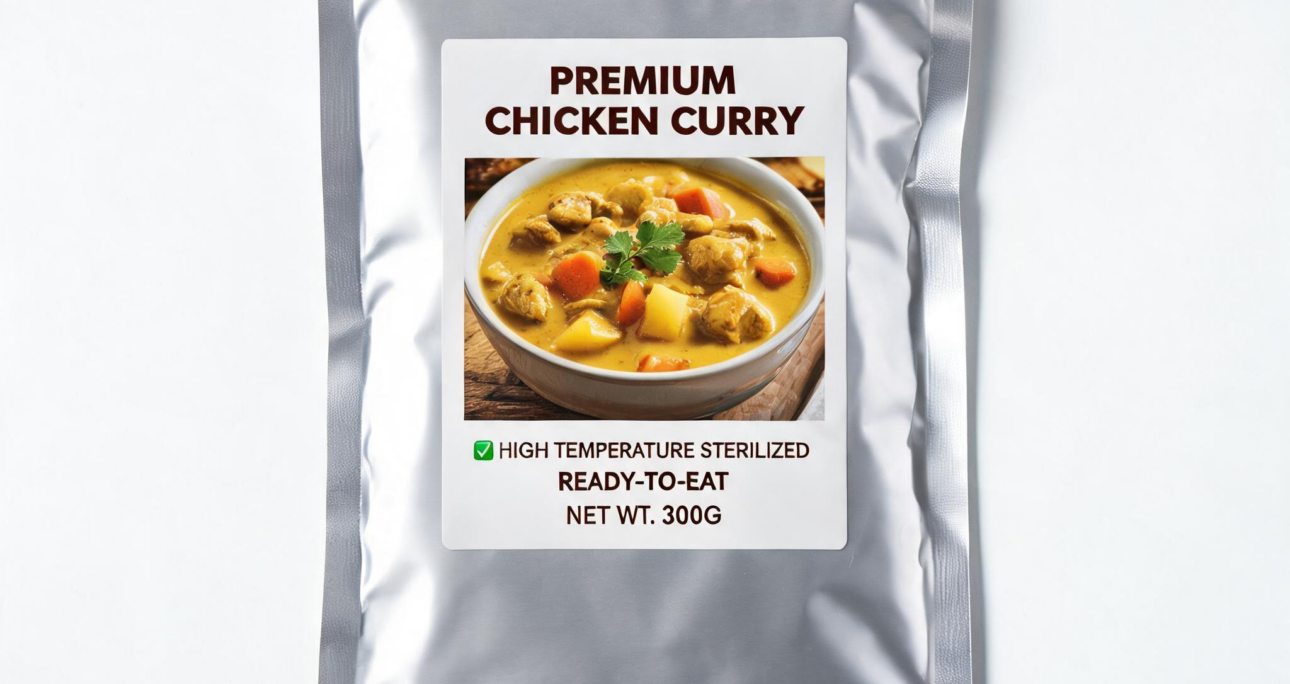
The Complete Guide to High-Temperature Retort Pouches: Why They Withstand 121℃ Sterilization
High-temperature retort pouches sterilize food at 121℃ or even 135℃. This guide explains their multi-layer PET/AL/PA/CPP structure, material logic, types, and four key selection met...